

Warehouse Automation Explained: Benefits & Challenges
Statistics show that automation can improve productivity in the warehouse by up to 35%.
From cutting costs to speeding up production, warehouse automation offers a number of benefits to warehouses. In this post, we explore the benefits of warehouse automation and explore different warehouse automation technologies.

In this article we'll cover:
- What is warehouse automation?
- The different types of warehouse automation technologies
- Strategic automation: software vs. physical systems
- 5 Benefits of warehouse automation
- Calculating warehouse automation ROI
- Common challenges with warehouse automation
- Considering the costs of warehouse automation
- How to implement warehouse automation (5-Step process)
- Warehouse automation best practices
What is warehouse automation?
Warehouse automation is the practice of using software and other technology to automate manual processes within the warehouse. As mentioned in our The Definitive Guide to the Warehouse of the Future, warehouse automation is one of the core developments warehouse owners are making to future proof their businesses. Other smart warehouse technologies being adopted by forward-thinking warehouses include small, localised distribution networks and digitised and integrated warehouse processes.
How does automation work within a warehouse?
Whether it’s receiving, picking and packing, or shipping automation can be brought in at any stage in the fulfilment process. Take picking-and-packing robots, these are AI robots that replicate the actions of human pick and packers in the warehouse. They can scan, identify, move, and package warehouse inventory. While automated guided vehicles act as self-driving forklifts that can move items that have been received or are ready to be shipped in and out of the warehouse.
The different types of warehouse automation technologies
Let’s take a look at the five main types of smart warehousing automation technologies:
- Automatic guided vehicles (AGVs): these are self-driving forklifts that can move inventory around your warehouse without the need for a driver. These forklift vehicles often use reflector navigation in which reflectors are added throughout the warehouse and are scanned by the forklift so it can navigate through the warehouse safely.
- Goods-to-person (GTP): this is an automated order fulfilment system in which items are brought to a warehouse worker for picking by autonomous mobile robots. They can make the process more accurate, reducing the likelihood of picking the wrong item (as with human pickers).
- Automated sorting systems: these systems identify stock on a conveyor belt and send them to specific areas of the warehouse for processing (such as to the packing stations).
- Automated dimensioning systems: these systems can capture images and read barcode data in order to automatically capture parcel and pallet details. These tools can be used by workers to take care of the dimensioning process.
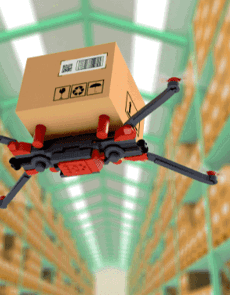
- Drones: drones (or unmanned aerial vehicles) are flying devices that use cameras to record data inside a warehouse. They can perform several tasks such as inventory auditing, finding stock, and providing additional security.
Strategic automation: software vs. physical systems
Employing warehouse automation isn’t a single investment path. Many operations require two distinct layers of automation – starting with low-cost digital gains before moving onto high-CAPEX mechanisation. Understanding the difference can help you prioritise improvements based on budget, business model, growth trajectory and industry.
Software automation (Low entry cost)
Digital automation focuses on replacing manual processes and decision making with data-driven, software-led workflows. These improvements typically require minimal up-front investment and deliver ROI more quickly by optimising current processes.
Key examples include:
- Automated order routing and carrier selection
- Optimised picking paths and wave/cluster/batch picking support
- Real-time stock accuracy and location updates
- Automatic exception flags and replenishment triggers
- EDI/API-drive data flows that reduce manual admin
You might prefer software automation if you’re a fast-growing eCommerce operation, a 3PL with growing client numbers, or if you have a warehouse seeking efficiency gains without changing your physical infrastructure.
Return on investment is usually in weeks, achieved by increasing pick rates, reducing labour spend and greater accuracy resulting in fewer returns and rehandling.
Mechanised automation (High-CAPEX)
Physical automation includes hardware-led systems like conveyors, AMRs/AGVs, sorters, carousels and automated packaging solutions. These enhancements introduce predictability and throughput gains, but require a lot more planning and financial commitments.
Key examples of hardware automations include:
- Conveyors and sorting systems
- Autonomous mobile robots (AMRs) for pick-to-person workflows
- Vertical lift modules (VLMs)
- Automated packaging and labelling lines
- Pallet shuttles and automated putaway/storage
You might benefit from mechanised automation if you have a high-volume operation where pick density, throughput and labour constraints limit your ability to grow.
Return on investment usually takes multiple years due to the high capital expenditure required for implementation, and is reliant on stable SKU profiles, consistent volume and long-term occupancy.
5 Benefits of warehouse automation
Let’s explore some of the main benefits of warehouse automation.
1. Reduced errors
From investing in training to undertaking annual warehouse layout audits, warehouse operators are always looking for new ways to reduce errors in the warehouse.
The main benefit of automating warehouse tasks is reducing the number of human errors we see within the warehouse as fewer tasks get performed manually. By breaking down and automating your warehouse processes, you can cut back on human errors in areas such as:
- Tracking inventory levels
- Sending customer emails and invoices
- Creating pick lists
- Selecting couriers based on package dimensions and weight
- Printing shipping labels
In doing so, you’ll also see additional benefits such as higher customer satisfaction and fewer customer returns or redeliveries due to incorrect items being packed or incorrect shipping labels getting added to packages by warehouse workers.
2. Improved efficiency
All businesses want their employees to work as efficiently as possible and automating warehouse tasks is one of the best ways to enhance efficiency within the warehouse.
For example, you can also use smart warehousing tools to implement a barcode scanning system that connects to your warehouse management system. You can use this system to automate pick lists based on the urgency of orders. This system will send your pick lists directly from your system to your employees’ handheld devices, each pick list will include stock location information to speed up the picking process. Read more about using data to increase order fulfilment efficiency.
To go to the next level of automation, test out autonomous mobile robots (AMRs) in your warehouse. AMRs can be programmed to collect items from a stock location and bring them to an employee in the packing area.
3. Increased warehouse productivity
By improving efficiency and helping your employees avoid making mistakes through warehouse automation, you’ll likely see your overall warehouse productivity increase. Automation can improve productivity in the warehouse by up to 35%.
By replacing human touch points with automation, things in the warehouse will move much faster. Thanks to automation, staff will also have time to focus their attention on other things; take GTP tools that you can use to deliver inventory to warehouse workers’ operation stations, reducing the amount of time employees spend walking around the warehouse. By sending workflow changes to your pickers through the system based on urgency, there will be less delays in processing and your staff will know where to allocate their time and attention first.
4. Reduced costs
McKinsey reports that automated warehouses can cut operational costs by 20%. By automating your warehouse operations, you can reduce overheads on staff, run into less unexpected overtime, and save on your budget by hiring fewer team members needed.
In addition, a reduction in errors will result in fewer returned items and refunds. While employing AI to ensure accurate and real-time inventory levels will mean there’s less chance of over ordering and eventual inventory loss.
5. Scalability
Warehouse automation can help you rapidly scale your warehouse operations when necessary, such as during peak holidays or seasons like Black Friday and the rest of the festive period. With efficient automation processes in place, you can stock up on inventory and map your warehouse locations for the fast picking of popular items, quickly recruit seasonal staff without the need for drawn-out training, and book couriers for higher levels of shipments with minimal human involvement.
Calculating warehouse automation ROI
The return on investment of warehouse automation varies widely depending on data quality, internal processes and scale of operations. To avoid inaccurate projections, or investing in the wrong automations, warehouses should follow a structured ROI approach with a foundation in key operational metrics.
1. Conduct a Pre Implementation Data Audit
Before running any ROI model, validate the following datasets:
- Order profiles: lines per order, units per line, SKU velocity, seasonality
- Current pick productivity: units picked per hour per operative
- Stock accuracy: variance between system and physical counts
- Labour cost structure: base pay, overtime, agency, shift patterns
- Warehouse layout: travel distances, pick face utilisation, congestion points
- Error rates: mis-picks, late despatches, rework time
Most cases for automation fail because they assume that their data is perfect. A data audit provides a baseline to ensure payback times aren’t inflated.
2. Define Clear, Quantifiable KPIs
Successful ROI should be measured against a small set of key performance indicators that are aligned with your business goals. Some examples include:
- Pick productivity: target uplift percentage
- Order processing time: reduction in time to despatch
- Labour hours per order: direct labour reduction
- Stock accuracy: improvement required to eliminate manual checks
- Dock-to-stock time: especially relevant for inbound-heavy operations
- SLA reliability: measurable improvements in service
If you’re looking at capital-intensive automation, KPIs should also include:
- Asset utilisation
- Throughput per hour
- Downtime tolerance
- Flexibility for SKU growth and seasonality
This way you’ve covered all bases, and can demonstrate the benefits from multiple angles.
3. Build an ROI Model Linked to Operational Change
Effectively demonstrating ROI will require you to plan for various scenarios and understand the indirect impacts of automation on your business. For example:
- Year 1, 3 and 5 cost scenarios
- Training, change management and maintenance effort
- Predicted labour redeployment or reduction
- Avoided costs (e.g., reduced recruitment, reduced space requirements)
- Sensitivity modelling (low, medium, peak volume assumptions)
Common challenges with warehouse automation
You also need to be aware of the most common warehouse automation challenges. The initial investment in automated systems can be expensive. You’ll also need to factor in the cost of maintenance and repairs on your ROI.
Beyond costs, new machinery and systems require training for their safe and effective use. Warehouse staff may struggle to get to grips with new tools during onboarding and may resist using new approaches if they have been relying on the same processes for many years. It’s important to address any concerns and to talk them through the benefits of automation.
Considering the costs of warehouse automation
Warehouse automation can be expensive and require a lot of upfront capital. A mechanised solution can cost from £700,000, up to £3,500,000. A semi-automatic system can cost up to £10,500,000. In addition, a fully automated system can cost at least £17,500,000. Costs may include the systems themselves, onboarding, new staff with the right expertise to use the equipment (if specialists are needed), and ongoing maintenance and repair costs.
Despite the initial expenses, the upfront costs often quickly balance out as 62% of warehouses that use automation report cost savings thanks to increased productivity and efficiency and a reduction in returns and stock damages due to less human error.
How to implement warehouse automation (5-Step process)
1. Establish a Robust WMS and Data Foundation
Automations only perform as well as the data feeding them. Start by ensuring your WMS is stable and has accurate location control, clean SKU data, consistency in process flows and end-to-end digital visibility.
2. Map Current Processes and Identify Bottlenecks
Take the time to analyse your pick paths, replenishment flows, packing processes, goods-in workflows and carrier handover points. Then, determine where labour time is lost, or where errors are introduced – usually this will be manual processing. These become the anchors for your automation priorities.
3. Build a Phased Automation Roadmap
Prioritise low-cost digital automations first such as rules-based allocation, optimised picking flows and exception alerts. Once you’ve tackled the low hanging fruit, you can look at evaluating physical automation options based on your business needs and growth ambitions.
4. Run ROI Modelling
Use real data to validate various scenarios, then ensure that the financials, operations and technology all stack up for what you want to implement. Involve other teams early on to align on priorities.
5. Pilot, Deploy, and Continuously Optimise
Start by piloting a controlled area, such as a single pick zone or a particular client. Measure your changes in performance, and iterate where necessary. Once you’re happy with your performance improvements, you can expand the automation in phases to reduce disruption.
Warehouse automation best practices
Let’s review five best practices to follow when bringing in smart warehousing:
- Use a WMS alongside automation technologies: a WMS can be an essential tool for providing visibility into how your automation tools are impacting your operations and for improving efficiencies at every stage in the process, from helping you monitor your stock levels to helping you reduce waste.
- Take things slowly: bringing in too many new technologies too quickly can be disruptive for the warehouse. Start with a WMS and one tool that you think will make the biggest difference to your operations and then review the following quarter to see how staff have responded, whether your tools have impacted your KPIs, and whether it may be a good time to bring in another type of technology.
- Set up regular reviews: regularly reviewing your performance metrics to see how your tools are performing is essential to making sure you’re using the right tools and getting the most out of them.
- Get feedback from employees: beyond regularly reviewing your metrics, your employees can give you more detailed information on how your tools are performing, if there are any safety concerns, or if they’re finding the tools difficult to use.
- Make use of integrations: never just look at how your automation tools will impact operations by themselves, consider how your tools may improve your results by working together. For example, you can integrate Radio Frequency Technology with your WMS to provide visibility on your inventory, automating data capture and improving traceability.
Utilise warehouse automation and Mintsoft’s WMS to create seamless order fulfilment
Warehouse automation is one of the best ways to reduce errors, cut costs, and increase efficiency and productivity in the warehouse. If you’re looking to bring these tools to your warehouse, it’s important to factor in your budget, invest in employee training, and carefully track their performance.
In addition, using a WMS alongside other automation technologies is a great way to get more visibility into how these tools are performing and gain greater control over their operations and performance. To find out more about Mintsoft, our cloud-based WMS, take a look at it’s features and capabilities here, or alternatively, book a demo with one of our warehousing experts.
A warehouse management system to help you to pick, pack and ship your way to success.
Warehouse Management Resources

Warehouse Management: Best Practices Guide
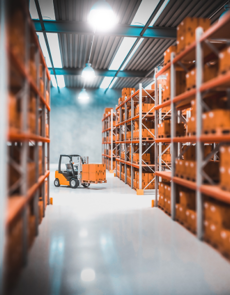
The Experts Guide to Warehouse Planning & Layouts

A Guide to Warehouse Management System (WMS) Implementation

WMS security: How secure is your data?

Calculating the ROI of a Warehouse Management System

10 Key Features of a Warehouse Management System
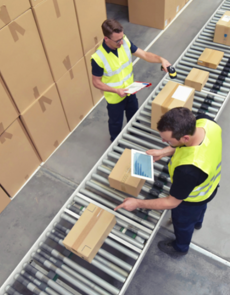
Warehouse Management Process & Challenges Guide

The Complete Guide to Warehouse Management Systems

What Is Picking And Packing? (Definition & Best Practice)

Why are Warehouse Stock Control Systems so Important?
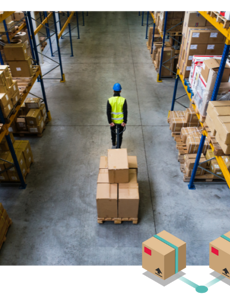
14 Important Warehouse KPIs For Improved Operations
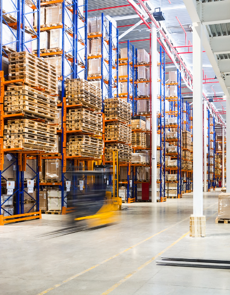
How To Overcome Warehouse Management Challenges With Software

The Definitive Guide to the Warehouse of the Future
Guide to ecommerce warehousing
Warehouse Robotics: Types, Pros & Cons